

Blogs


Even Food Safety and Food Quality Aren’t the Same. Our Supply Chain Data Should Reflect That

Recent foodborne illness events, including the Cyclospora outbreak linked to iceberg lettuce and the Salmonella outbreak linked to jalapeños, have highlighted the critical need for traceability. When contamination occurs, companies need to know where affected product came from, where it went and how quickly it can be removed from commerce.
There’s a distinction to call out: Food safety and food quality are not the same problem, and the data used to manage them serves different purposes.
For growers, shippers, logistics providers and receivers, understanding how those pieces work together is becoming critical.
When food safety is the issue, traceability mattersWhen an outbreak has been detected, temperature monitoring cannot determine whether fresh produce carries Cyclospora, and cold chain management can’t prevent contamination that has already occurred. The immediate challenge is traceability.
Which lots are affected? Where did they originate? Which facilities handled them? Which customers received them?
Quickly answering those questions enables a more precise industry response. That’s one reason traceability has become such a focus across the food industry. FSMA 204 has added urgency to that work, but compliance is only part of it. The larger goal is making accurate information available across trading partners when it’s needed most.
When information is fragmented across those organizations, reconstructing a product’s journey can take valuable time. Better traceability can help close those gaps, not by collecting more records, but by creating a connected chain of information that can be accessed and acted upon when it matters.
Food safety and food quality require different informationTraceability can help determine whether a product is part of an affected lot and where it moved. Cold chain monitoring answers a different question: What conditions did that product experience along the way?
For a product implicated in a Cyclospora outbreak, temperature history doesn’t change the food safety decision. Affected product must be handled according to the appropriate protocols. But for products moving normally through the supply chain, temperature and handling data say a great deal about quality.
A shipment delayed in transit may still be safe but arrive with less remaining shelf life. Two loads of the same commodity can reach the same distribution center having experienced different conditions and arrive with very different quality profiles.
Jeffrey K. Brecht, Ph.D., Emeritus Professor of Postharvest Physiology in the Horticultural Sciences Department at the University of Florida, has long studied how postharvest conditions affect produce quality.
“I have long advocated for temperature monitoring and other methods for understanding the freshness of produce. Above optimum carrying temperatures, even brief temperature excursions, accelerate produce aging and reduce freshness, and those effects are cumulative. Understanding the freshness of a lot allows for more informed, real-time decision-making throughout the distribution system.”
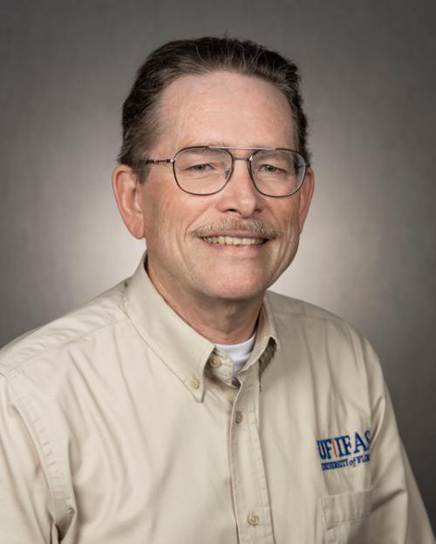
Dr. Jeffrey Brecht
Those differences drive real decisions: Which shipment should be inspected first? Which inventory should move first? Should a load be rerouted or expedited? A traditional temperature record alone cannot answer all those questions.
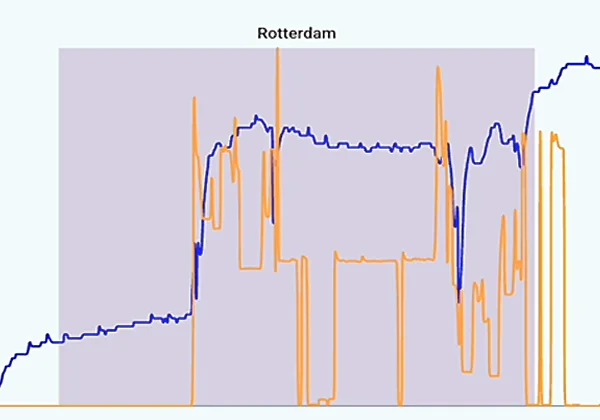
Turning cold chain data into shelf-life intelligenceFor years, cold chain monitoring has helped companies understand the conditions products experience in transit. But knowing that a temperature excursion occurred does not necessarily tell a receiver what it means for product quality or remaining shelf life.
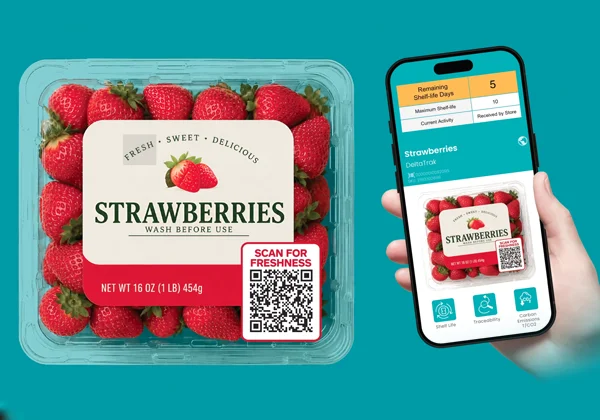
FreshIDX™ is designed to address that gap by pairing time and temperature data with commodity-specific models to help predict remaining shelf life. The goal is to turn cold chain data into information that can support decisions about which inventory moves first, which loads warrant inspection and where action may help reduce avoidable shrink and waste.
That information serves a different purpose than food safety data. FreshIDX does not detect Cyclospora or make food safety determinations, nor does it replace sanitation, testing or traceability programs. It provides another layer of information about product quality and remaining shelf life that can be used alongside the systems companies rely on to manage food safety and traceability.
The opportunity is connecting these capabilitiesNo single technology solves every food safety or quality challenge. Traceability establishes identity, origin and movement. Cold chain monitoring provides visibility into handling conditions. Predictive shelf-life intelligence translates those conditions into what they mean for product quality and remaining life. Each serves a different purpose, and the opportunity is bringing them together.
The UBQ Network Powered by DeltaTrak is built to connect cold chain partners and supply chain information in a shared digital environment. By bringing cold chain visibility and FreshIDX intelligence alongside existing traceability programs and technologies, UBQ helps organizations build a more complete picture of the products moving through their supply chains.
For companies managing fresh and perishable products, the questions come down to:
- – Where did the product come from?
- – Where did it go?
- – What happened to it along the way?
- – What is its condition now?
- – What should we do next?
Having those answers in one connected ecosystem lets companies move from collecting supply chain data to using it.
Better information – better decisions.Cyclospora is a timely reminder of why traceability matters, but the lesson is broader than one outbreak. Different challenges require different tools and the opportunity for the industry is to make those tools work together. That is where DeltaTrak sees the next evolution of cold chain visibility: moving beyond monitoring what happened to provide actionable intelligence for what happens next.

Karl McDermott
Currently the Chief SaaS Officer of DeltaTrak and the General Manager of the UBQ Network, a digital marketplace for Ag Food. Previously he held leadership positions at a Canadian SaaS freight tech provider, a SaaS truck load matching platform, and a last mile logistics firm. Karl was a recipient of Mexico’s innovation award 2018.